
Key Takeaways
- Contrave® and Wegovy® both aid weight loss, but through very different mechanisms. Contrave® combines an antidepressant and opioid blocker; Wegovy® mimics the gut hormone GLP-1.
- Clinical data favor Wegovy® for weight loss and heart health. It produced roughly three times more weight loss than Contrave® and is the only one with an FDA cardiovascular risk-reduction indication.
- Contrave® may still be the better fit in certain cases. It costs less and can work well for those who can't take a GLP-1 medication for medical reasons
Contrave® and Wegovy® are both FDA-approved for long-term weight management, but their formulations and results are pretty different.
Contrave® is a combination of an antidepressant and an opioid blocker. Wegovy® mimics a gut hormone. They differ in their mechanism, their safety warnings, and the weight loss they produced in clinical trials. This Contrave® versus Wegovy® guide puts them side by side so you can have an informed conversation with your provider and decide which fits your goals.
How do Wegovy® and Contrave® work for weight loss?
Both medications quiet the biological signals that drive the constant pull toward food, but they get there through different paths.
Contrave® works by combining two medications originally developed for other purposes: bupropion, an antidepressant, and naltrexone, a drug that blocks opioid receptors. That pairing might sound unusual for weight loss, but both act on brain circuits involved in appetite and cravings.
Bupropion activates appetite-regulating cells in the hypothalamus called POMC neurons. But those neurons have a built-in brake: As they fire, they also release a chemical that tells them to slow down. Naltrexone comes in and blocks the receptors where that “slow down” chemical lands. This allows bupropion’s appetite-reducing effects to carry on.
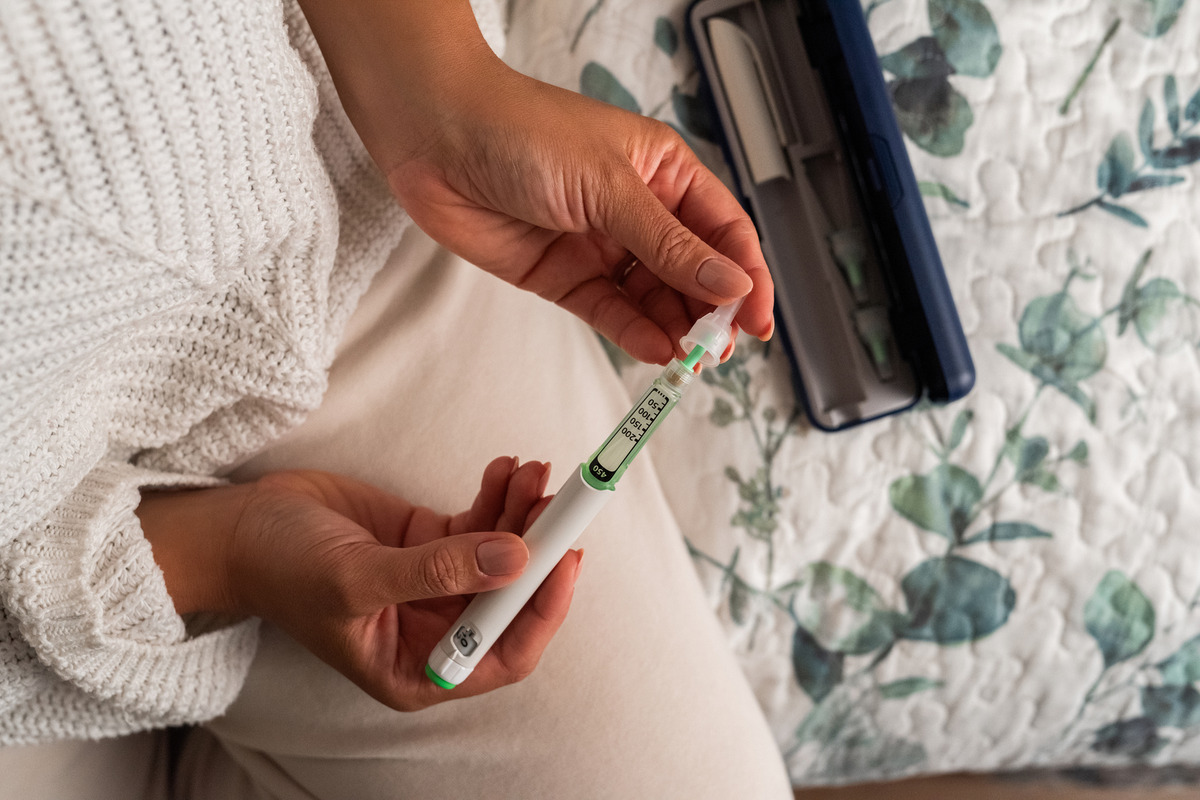
Wegovy® takes a different approach. Its active ingredient, semaglutide, mimics glucagon-like peptide-1 (GLP-1), a hormone your gut releases after a meal. GLP-1 tells your brain to reduce appetite and slow stomach emptying. As a result, you’re more satiated after eating and have fewer cravings, both of which help with weight loss.
Here’s how Contrave® and Wegovy® compare at a glance:
Side effects, safety, and additional health benefits
Both medications cause gastrointestinal (GI) side effects, especially during the first weeks of dose escalation. Nausea is the most common for both: It affected 44% of people taking Wegovy® and 32.5% of people taking Contrave® in clinical trials. These side effects usually go away as the body adjusts. The bigger question if anything in your health history makes either a poor fit.
Contrave® common and serious risks
The most common side effects of Contrave® during clinical trials were nausea (33%), constipation (19%), headache (18%), and vomiting (11%).
Less common but serious risks you should know about include:
- Suicidal thoughts and behavior: This is a boxed warning that comes from bupropion’s antidepressant class labeling. In Contrave®’s trials, suicidal ideation was actually less common in the treatment group (0.03%) than in the placebo group (0.20%). But providers still monitor for mood changes, especially early in the treatment.
- Seizure risk: About 0.1% of trial participants experienced seizures. Taking Contrave® with a high-fat meal sharply raises how much of the drug enters the bloodstream at once, which makes seizures more likely.
- Blood pressure and heart rate elevation: Both can rise, especially in the first three months.
Contrave® isn’t safe for people:
- With seizure disorders, uncontrolled high blood pressure, or with a current or past diagnosis of anorexia nervosa or bulimia
- Taking opioid medications, MAOIs, or other bupropion-containing products
- Who are pregnant
Wegovy® common and serious risks
The most common side effects of Wegovy® during clinical trials were nausea (44%), diarrhea (30%), vomiting (24%), and constipation (24%).
What are the worst side effects of Wegovy®? The label flags several less common, serious risks:
- Thyroid C-cell tumors: This boxed warning was based on rodent studies. Whether this happens in people is unknown.
- Pancreatitis: This is a rare but potentially fatal inflammation of the pancreas. Stop treatment and call your provider if you feel a sudden, severe stomach pain that may spread to your back.
- Gallbladder disease: Gallstones occurred in 1.6% of patients versus 0.7% on placebo. Significant weight loss changes how the liver processes cholesterol, which can lead to gallstone formation.
Wegovy® isn’t safe for people:
- With a personal or family history of medullary thyroid carcinoma or MEN2 (a rare inherited condition that raises cancer risk)
- Who are pregnant
Contrave® or Wegovy®: Which one should I choose?
If your primary goal is weight loss or cardiovascular protection, the clinical data favors Wegovy®. It produced three times more weight loss than Contrave® in their respective trials. It’s important to note that these were separate studies, and the numbers can’t be compared directly. Wegovy® is also the only weight loss medication with an FDA indication for cardiovascular risk reduction, backed by a 20% reduction in heart attack, stroke, and cardiovascular death in the SELECT trial.
Contrave® may be the better fit in other situations. It costs significantly less, especially without insurance. It can also be a practical option if a GLP-1 RA medication isn’t right for you, like if you have a family history of medullary thyroid carcinoma or a history of pancreatitis. And if you’re also managing depression or trying to quit smoking, the bupropion in Contrave® has established uses in both areas, though Contrave® itself is not FDA-approved for either of those uses.
Ultimately, the right choice depends on your health history and goals. A provider can help you figure out what’s available and sustainable for you.
Can you take Contrave® and Wegovy® together?
No clinical trial has studied this combination, so there’s no published evidence on whether taking both adds benefits or changes the risk profile. Neither medication has been proven to interfere with how the body processes the other.
The bigger concern with taking Contrave® and Wegovy® together is the overlapping side effects, especially nausea. Dealing with that from two sources at once can raise the chance of side effects severe enough to stop treatment altogether. That risk goes up if you’ve had trouble tolerating GI side effects on either of these in the past, or if you already have high blood pressure, since both medications can raise it. Combining them should only happen if a prescriber determines the potential benefit outweighs those compounded risks for your specific situation.
Contrave® vs Wegovy®: Cost and coverage
The price difference between these two medications is considerable — and for many people, it’s just as important as the clinical data. Neither medication has a generic version available, which keeps the price floor higher. Contrave® lists at around $530–$890 per month and Wegovy® at about $1,349. But you’ll rarely pay list price.
Both manufacturers offer savings programs that bring those costs down. Contrave®’s CurAccess program delivers the medication for 99$ per month with free shipping, regardless of insurance status. Wegovy®’s NovoCare self-pay options start at $149 a month for the tablet and $199–$399 per month for the injection, depending on dose.
With commercial insurance, copays for either medication can drop to $20–$25 a month through manufacturer savings cards. Medicare is also trialing a GLP-1 Bridge program that will cover Wegovy® for eligible patients, bringing the monthly cost down to a $50 copay.
Getting coverage approved is often the hard part. Most insurance plans require prior authorization before they’ll pay for either medication, which typically means documented BMI criteria and evidence that you’ve tried lifestyle changes first. For Wegovy®, some plans add another step: They require trying a lower-cost medication like Contrave® before they’ll approve coverage for a GLP-1 RA.
If you also have heart disease, coverage may be more accessible. Wegovy®’s FDA indication for cardiovascular risk reduction puts it in a different category for many insurers. Plans that limit coverage for weight loss medications often cover cardiovascular therapies.
Finding the right weight loss treatment with Maven Clinic
Weighing all these factors at once can feel overwhelming. Thankfully, you don’t have to sort through it alone. The right provider will find you the medication that fits your body, budget, and any other conditions you’re managing, all while monitoring how you respond over time.
Maven Clinic’s GLP–1 Care pairs you with specialists who do exactly that, building you a treatment plan around your health, life stage, and goals. Learn more and start your journey today.

"I tried a GLP-1 through another service first. Got the prescription, got nothing else. I'm in my late 40s, my body was changing, and I was asking AI my follow-up questions. Maven was the first time I had a clinician who knew what was going on with me and helped me feel like me again."

"There's so much noise online, and I wanted someone I could actually trust. With Maven, I understood my options, why I was taking what I was taking, and what to expect before I ever started. It felt clear from day one."

"My clinician covered things I hadn't thought to ask, like how GLP-1s can affect birth control. I felt like I was making an informed decision instead of just following a trend."