.jpg)

Key Takeaways
Comparing Zepbound® versus Ozempic® isn’t apples to apples. Even though both medications are glucagon-like peptide-1 receptor agonists (GLP-1 RAs), they use different active ingredients to treat different conditions.
This guide breaks down the main differences between Ozempic® and Zepbound®: how they work in the body, what clinical trials show about them, and what women should know before choosing. It also covers why it’s important to work with a specialist when you’re deciding between them.
Is Zepbound® the same as Ozempic®? How they compare at a glance
Here’s a side-by-side look at these medications, based on their FDA-approved prescribing information:
What are Zepbound® and Ozempic® each approved for?
Zepbound® and Ozempic® target different conditions. These are the uses the FDA has approved for each so far.
Zepbound®
- Chronic weight management: For adults with a BMI over 30 or a BMI over 27 with at least one weight-related health condition, such as high blood pressure, high cholesterol, or type 2 diabetes
- Obstructive sleep apnea: For adults with obesity and moderate-to-severe sleep apnea—a condition where breathing repeatedly stops during sleep
Ozempic®
- Blood sugar control: For adults with type 2 diabetes, as an add-on to diet and exercise
- Heart disease risk reduction: To lower the risk of heart attack, stroke, and related death in adults with type 2 diabetes and established heart disease
- Kidney disease progression: To slow the progression of kidney disease in adults with type 2 diabetes and chronic kidney disease
Ozempic® isn’t approved for weight loss—even though providers sometimes prescribe it off-label—and every one of its uses requires a type 2 diabetes diagnosis.
How do Zepbound® and Ozempic® work differently in the body?
When you eat, your gut releases a hormone called glucagon-like peptide-1 (GLP-1) that slows digestion, regulates blood sugar, and tells your brain you’re full. Both Zepbound® and Ozempic® bind to this hormone’s receptors and mimic its effects.
How is Zepbound® different from Ozempic®, then? Zepbound®’s active ingredient, tirzepatide, acts on the receptors of a second hormone, GIP. GIP calms the brain regions that produce strong cravings when you restrict your body’s access to calories. It also helps fat cells store and burn energy more efficiently. Zepbound® mimics this effect. This dual action is believed to be the main reason clinical trials show greater average weight loss with tirzepatide than GLP-1 agonists alone.
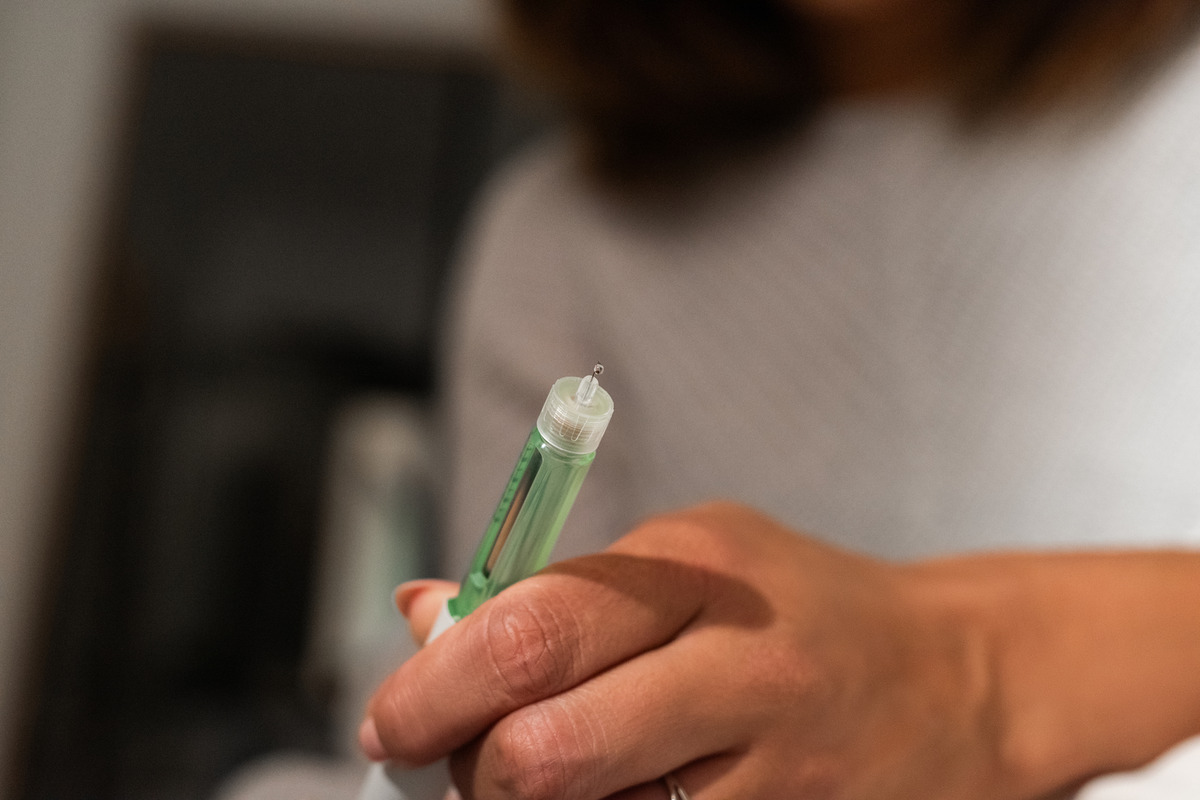
These medications also differ in how you take them. Zepbound® is only available as a weekly injection: a single or multi-dose pen or vial. Ozempic® is available as a weekly injection and as a daily tablet. Pills are available under the brand name Ozempic® or Rybelsus®.
Is Zepbound® better than Ozempic® for weight loss? What the research says
No trial has tested these two brands head-to-head because Ozempic® isn’t approved for that purpose. However, researchers have directly compared their active ingredients. Below are two studies worth noting.
SURPASS-2
This 2021 study looked at adults with type 2 diabetes. Clinicians randomly assigned patients to take tirzepatide at a dose of 5, 10, or 15 mg, or semaglutide at 1%. Those on tirzepatide lost an average of 8.5–13.1% of total body weight. Comparatively, people taking semaglutide only lost 6.7% of their body weight.
SURMOUNT-5 trial
In a 2025 study, researchers compared Zepbound® against Wegovy®. Wegovy® is the brand name for a higher dose of semaglutide approved for weight loss purposes.
In this direct matchup, adults on Zepbound® lost an average of 20.2% of their body weight, about 50 pounds, over 72 weeks. On Wegovy®, people lost 13.7%, or roughly 33 pounds.
While Zepbound® resulted in higher rates of average weight loss, individual responses varied widely: Some people on Wegovy lost over 25%, while some on Zepbound® lost under 10%.
What should women consider when choosing between Zepbound® and Ozempic®?
Clinical data shows that women react differently to these medications than men. In clinical trials, women lost about 6% more weight than men on both medications. This is likely because estrogen plays a role in suppressing appetite. So, women are more sensitive to GLP-1 signals.
However, that high sensitivity comes with a tradeoff. Women also experienced roughly 2.5x higher rates of nausea and vomiting, mostly because women naturally tend to digest food more slowly than men.
Beyond overall response, a few factors specific to female health are worth discussing with your provider:
- Birth control: Zepbound® may reduce the effectiveness of oral hormonal contraceptives because of slowed gastric emptying. When the pill doesn’t digest quickly, it may not make it to your bloodstream in the expected amount of time. So, the FDA recommends switching to a non-oral method or adding a barrier like preservatives for four weeks after starting and after each dose increase.
- Pregnancy: Both medications should be stopped before a planned pregnancy. The Ozempic® label advises a two-month buffer period to clear out the drug from your system before conception. The Zepbound® label directs you to stop treatment when pregnancy is recognized.
- Body composition: As estrogen levels decline during perimenopause and menopause, losing weight gets harder, and muscle loss speeds up. Both medications may cause additional muscle loss. Resistance training and adequate protein (25–30 grams per meal) help preserve strength during treatment.
- Polyendocrine metabolic ovarian syndrome (PMOS; formerly PCOS): Neither medication is FDA-approved for PMOS, but providers increasingly prescribe both off-label to help manage insulin resistance—a key driver of many PMOS symptoms. Zepbound®’s dual hormone mechanism may have stronger effects on insulin resistance.
Finding the right GLP-1 path with Maven Clinic
The right medication for you might not be the one with the best average results in a clinical trial. Whether you’re exploring weight management, living with type 2 diabetes, or both, a specialist who understands these medications and your body can help you choose with confidence.
Maven Clinic’s GLP-1 Care for Women program pairs you with a provider who considers your entire health history, tailoring your plan to your lifestyle and goals. With us, your care doesn’t stop at a prescription. We combine FDA-approved medications with the strength training guidance, ongoing side effect management, and the nutrition coaching that make results sustainable.
Connect with a Maven Clinic specialist to find the right GLP-1 plan for you.

"My clinician covered things I hadn't thought to ask, like how GLP-1s can affect birth control. I felt like I was making an informed decision instead of just following a trend."

"There's so much noise online, and I wanted someone I could actually trust. With Maven, I understood my options, why I was taking what I was taking, and what to expect before I ever started. It felt clear from day one."

"I tried a GLP-1 through another service first. Got the prescription, got nothing else. I'm in my late 40s, my body was changing, and I was asking AI my follow-up questions. Maven was the first time I had a clinician who knew what was going on with me and helped me feel like me again."
FAQ
Does Zepbound® cause Ozempic® face?
“Ozempic® face” isn’t a medical term or a side effect specific to any one drug. It’s an informal name for the changes that happen in your face after any rapid weight change. Namely, you may notice loose skin, thinner lips, and more wrinkles.
Does Zepbound® cost more than Ozempic®?
At list price, they’re comparable. Zepbound® is roughly $1,060 per month, and Ozempic® is around $935–$969 per month. But actual costs depend on why the medication is prescribed. Ozempic® is typically covered by insurance for type 2 diabetes but rarely for off-label weight loss. Zepbound® has growing commercial coverage for weight management, and Eli Lilly’s self-pay program (LillyDirect) offers it at $299–$449 per month without insurance.
How much weight can I lose on Zepbound® in 3 months?
Clinical trials report results at 72 weeks, not three months. At that early mark, most people are still gradually working up from the starting dose. An analysis of the SURMOUNT-1 trial found that 82% of participants on tirzepatide reached at least 5% weight loss by week 12.
Are Zepbound® side effects as bad as Ozempic®?
Both medications share similar core side effects:
- Nausea
- Diarrhea
- Vomiting
- Constipation
- Stomach pain
They’re usually strongest during dose escalation and tend to ease as your body adjusts. In the SURMOUNT-5 trial, fewer people stopped taking Zepbound® due to digestive side effects than the semaglutide weight loss medication, Wegovy® (2.7% versus 5.6%). Zepbound®’s prescribing information does list more reactions at rates above 5%, including hair loss, fatigue, and acid reflux.



.jpg)
.jpg)